How Tariffs Affect Supply Chains and Global Sourcing Decisions
Quick Answer
Tariffs influence more than the duty paid at import. They can change supplier comparisons, landed-cost estimates, order timing, documentation requirements, and repeat-order planning. For B2B buyers sourcing communication devices or OEM products, the practical response is to confirm product configuration, included items, documents, and responsibilities before production.
Tariffs Are More Than an Import Cost Issue
Tariffs were once treated mainly as a percentage added at the border. Today, they can influence decisions much earlier. Buyers may reconsider suppliers, revise budgets, change order timing, or request clearer product information before approving a project.
This is especially relevant to finished electronics and professional communication equipment. A project may include programmed settings, chargers, antennas, accessories, packaging, and integration requirements. An unclear scope makes any cost change harder to evaluate.
The objective is not to predict every policy change. It is to build a sourcing process that remains understandable when costs or trade conditions change.
From Unit Price to Total Sourcing Evaluation
A low unit price does not always mean a lower-risk order. B2B buyers should also review:
- the exact product and accessory scope;
- standard versus customized requirements;
- production and delivery timing;
- quotation validity and included services;
- document consistency;
- repeat-order support.
This helps buyers compare offers on the same basis. One quotation may include programmed devices and required accessories, while another covers only the main hardware. Without a clear scope, the prices are not directly comparable.
How Tariffs Affect Supply Chains and Sourcing Decisions
The impact of tariffs on a supply chain often appears through several connected decisions.
| Sourcing area | Possible effect | What buyers should review |
|---|---|---|
| Supplier evaluation | Price becomes only one part of the comparison | Technical clarity, communication, production stability, and documentation |
| Cost planning | Duties and related costs may affect approval | Product scope, accessories, optional work, and quotation validity |
| Production planning | Buyers may change quantities or timing | Lead time, availability, and configuration approval |
| Long-term supply | Repeat orders require consistent records | Model details, programmed settings, packaging, and order history |
Supply chain tariffs therefore affect more than customs clearance. They can influence approval timing, purchasing plans, and whether a supplier can support repeat orders without restarting every discussion.
What Tariffs Change in OEM Sourcing Projects
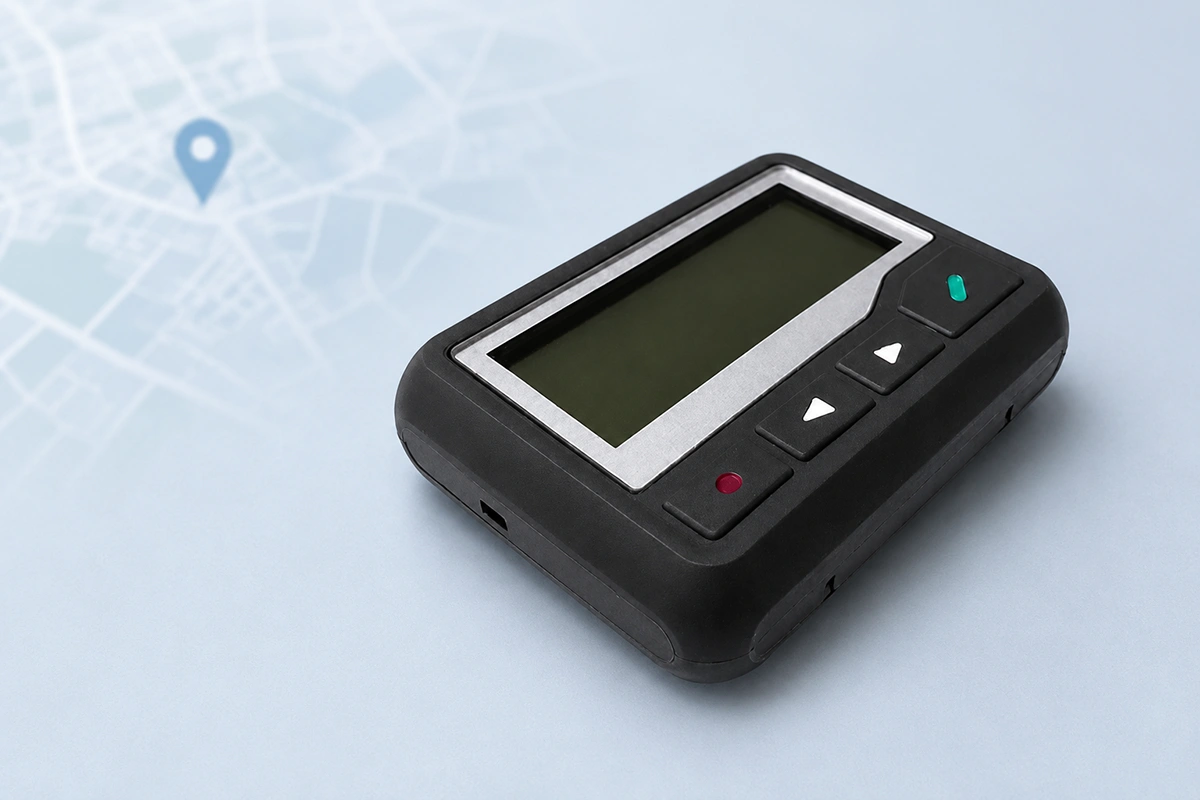
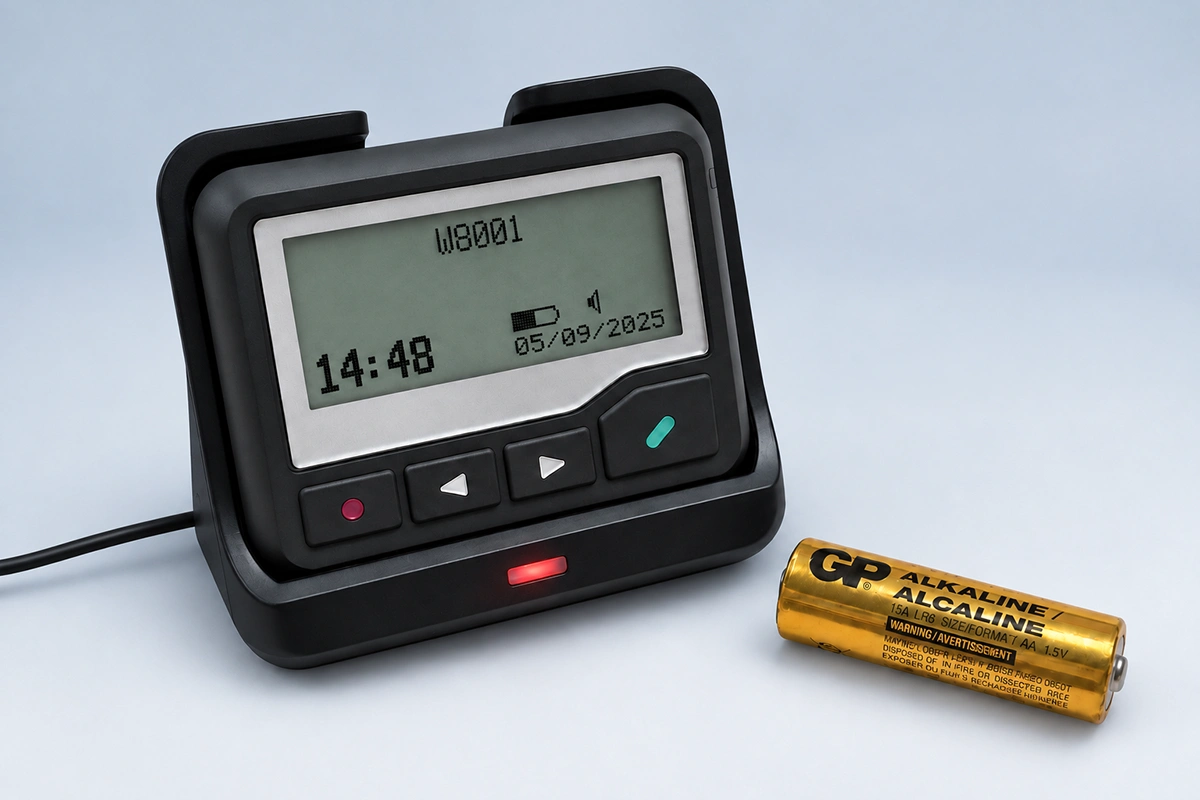
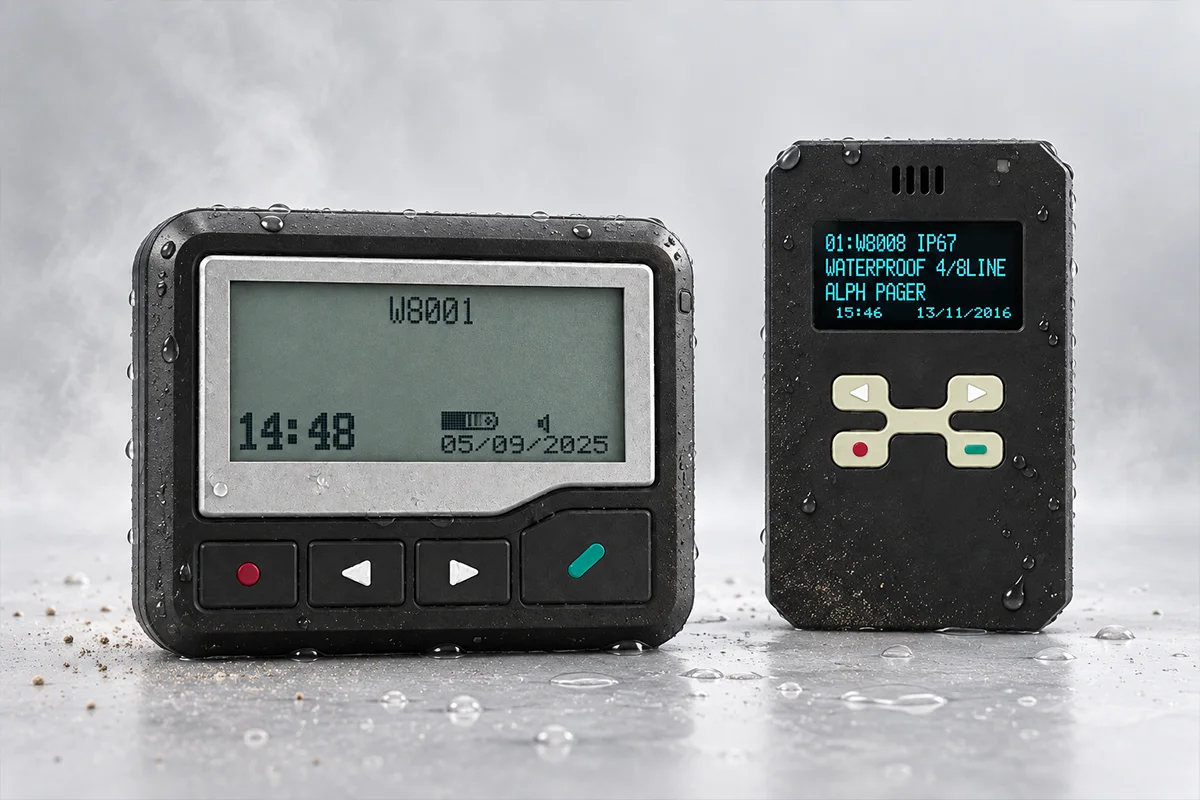
OEM sourcing projects need earlier confirmation because the deliverable may include more than a standard product. A paging project, for example, may combine POCSAG pagers, paging transmitters, receiver and decoder boards, programming requirements, chargers, antennas, labels, and packaging.
Confirm Technical Configuration Early
Frequency, baud rate, capcode, protocol, display requirements, power options, interfaces, and accessories should be confirmed before production. Branding, housing, manuals, and packaging should also be separated from the core specification.
This gives the buyer and manufacturer a stable project definition. If the order is reviewed later, both sides can see what was approved.
Keep Repeat-Order Records Consistent
Repeat orders are easier when approved configurations, accessories, labels, and packaging are recorded. The same model name does not always represent the same project scope, particularly when firmware or RF settings are customized.
Consistent records reduce the need for repeated clarification and help the supplier reproduce the approved version.
Indirect Effects Across the Buying Team
Tariffs and supply chain changes can create work across several departments:
- Procurement compares supplier capability, scope, and continuity.
- Finance reviews budgets, quotation validity, and cost assumptions.
- Logistics checks product descriptions, packing information, and shipping documents.
- Engineering confirms whether products are standard or customized.
- Management evaluates timing, inventory exposure, and supplier dependence.
These indirect effects may create more disruption than the duty itself. A technically correct product can still cause delays if specifications, accessories, or documents are confirmed too late.
What B2B Buyers Should Confirm Before Ordering
Before approving an order for communication devices or OEM products, buyers should ask:
- Is the product standard or customized?
- Which models, accessories, and quantities are included?
- Which RF, protocol, firmware, or interface settings must be programmed?
- Are branding, labels, manuals, and packaging required?
- What must be approved before mass production?
- Which documents are needed for shipment?
- Can the supplier retain the approved configuration for repeat orders?
Classification, declared value, and import documents should be handled separately from the technical review. Buyers can refer to the WEX guide to HS codes, customs value, and import documents for that part of the process.
Building a More Adaptable Global Sourcing Strategy
An adaptable global sourcing strategy does not mean changing suppliers whenever a tariff changes. Frequent changes can introduce new technical, quality, and delivery risks.
A practical approach is to improve visibility:
- maintain approved product and configuration records;
- distinguish essential items from optional accessories;
- compare quotations against the same project scope;
- review lead time before inventory becomes urgent;
- identify acceptable alternative models where appropriate;
- work with suppliers that communicate changes clearly.
For B2B sourcing, resilience comes from reducing avoidable uncertainty. Buyers may not control tariffs, but they can control how clearly a project is specified, approved, documented, and repeated.
Conclusion
Tariffs are no longer only a border cost. They influence supplier evaluation, budget approval, production planning, documentation, and long-term purchasing.
For professional communication devices and OEM sourcing projects, the strongest response is preparation. Clear specifications, confirmed accessories, consistent records, and timely communication support better decisions when trade conditions change.
A manufacturer cannot determine future tariff policy. It can provide accurate product information, confirm the production scope, and discuss available documents before shipment.
FAQ
What are supply chain tariffs?
Supply chain tariffs are import duties affecting goods, components, or materials moving through an international supply chain. Their effects may extend to supplier selection, pricing, inventory, order timing, and working capital.
How do tariffs affect B2B sourcing decisions?
They can change landed-cost assumptions, internal budgets, supplier comparisons, order quantities, and delivery planning. Buyers may also require clearer specifications and documents before approving a purchase.
Why are OEM sourcing projects more sensitive to tariff changes?
OEM orders may contain custom settings, branding, accessories, engineering work, or special packaging. These elements make the project scope more complex and should be confirmed before production.
Who should confirm the HS code and duty rate?
Importers should verify classification and duty treatment with their customs broker or the relevant customs authority. The manufacturer should provide accurate product descriptions and available supporting documents, but should not replace professional customs advice.
HS Codes, Customs Value, and Import Documents for OEM Communication Devices
OEM Paging Systems: What to Confirm Before Mass Production
Related Article