Echo3 PoC Radio for Team Communication After Paging Alerts
Quick Answer
Paging and voice communication solve different operational needs. A pager delivers a short alert to the right person or group, while a PoC radio gives responders a live voice channel for coordinating the next action.
Echo3 is an LTE Push-to-Talk over Cellular (PoC) radio designed for mobile teams that need group calls, selective calls, dispatcher messages, and quick group switching. It is not a replacement for every paging or traditional radio system. Its role is to help teams communicate after an alert, during routine field work, or across locations with suitable cellular service.
Paging Alerts and PoC Radio Solve Different Tasks
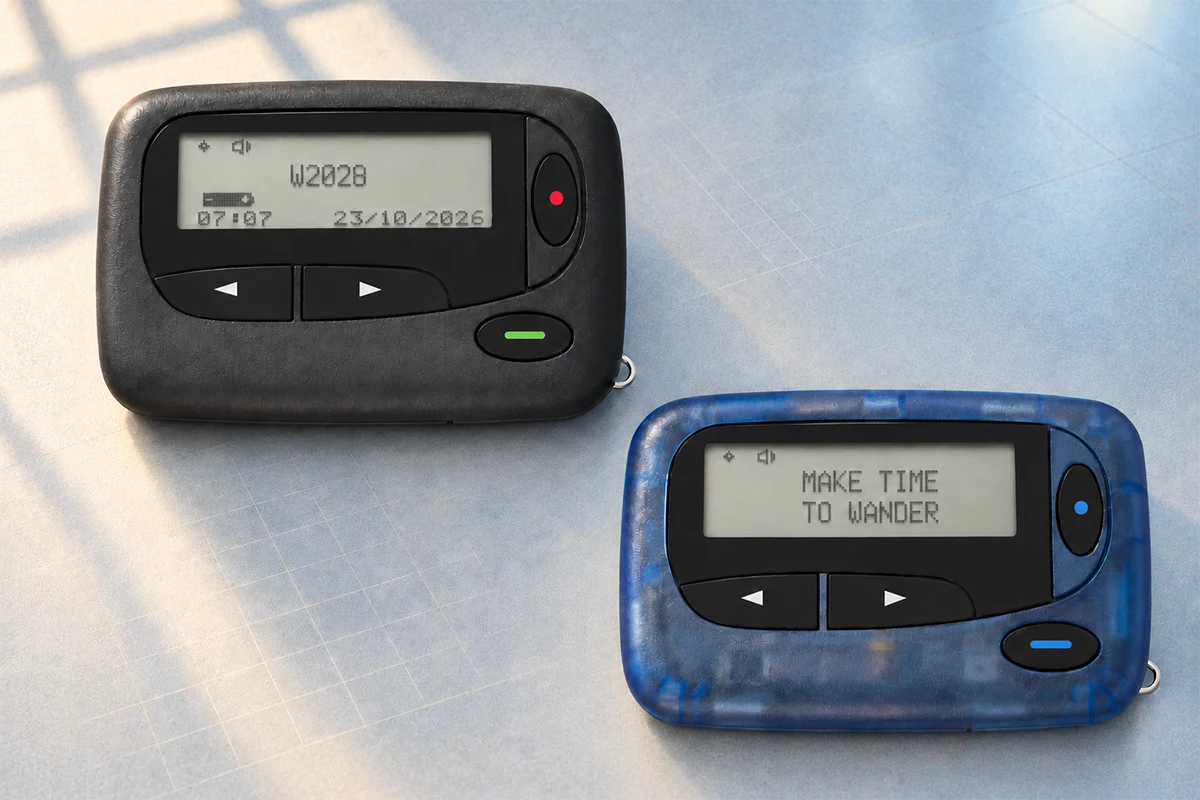
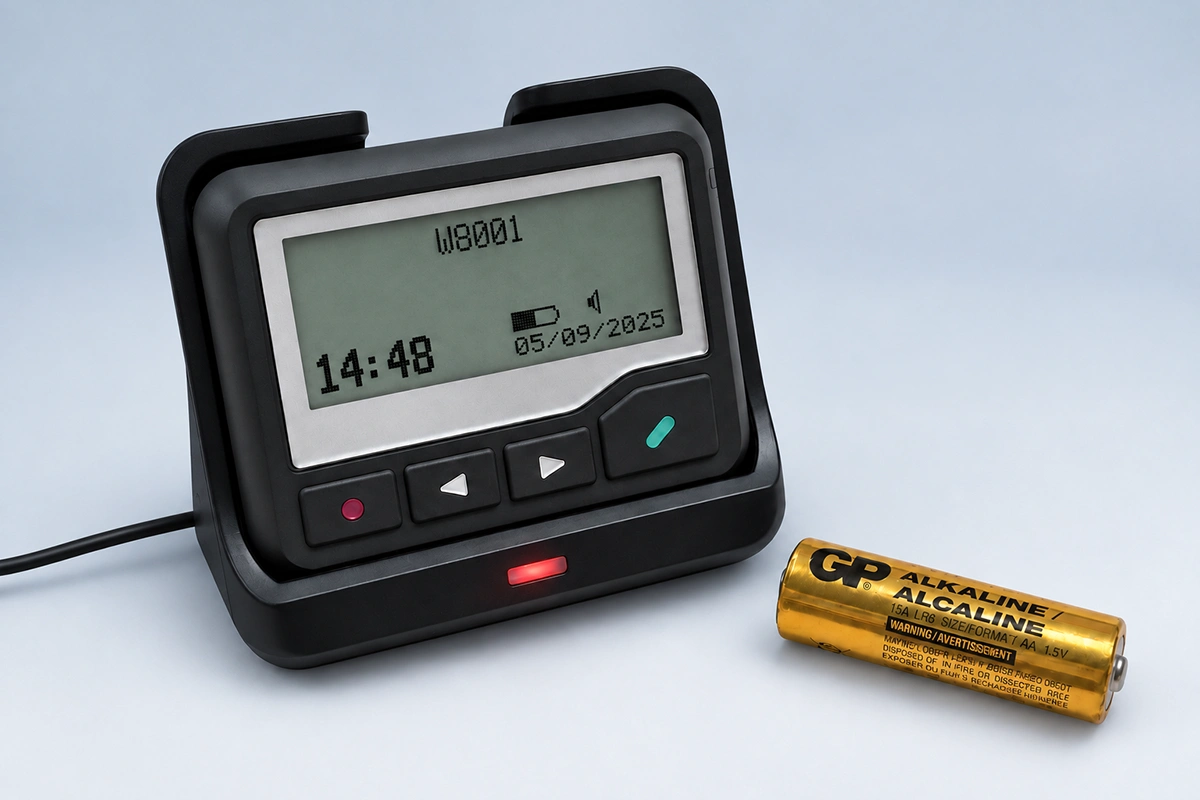
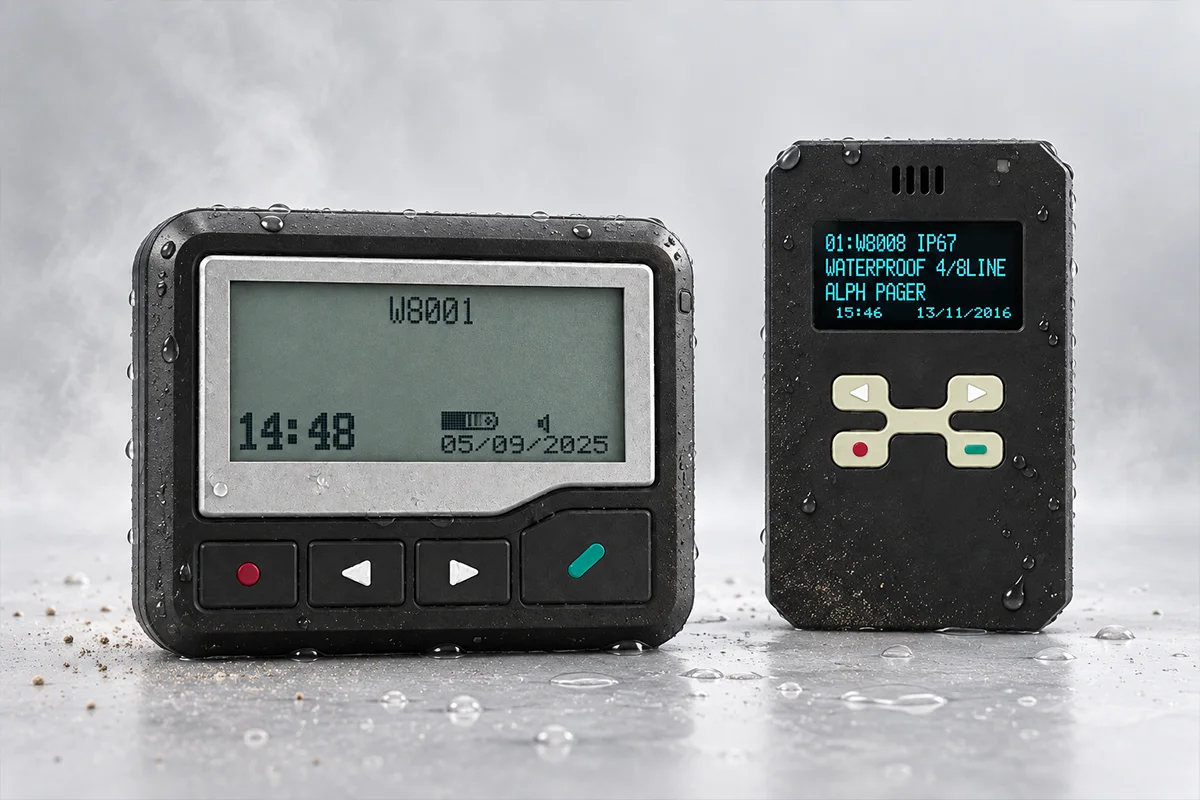
In a complete paging system, a message may begin in monitoring software, an alarm system, or a dispatch console. The system processes the message and sends it through a transmitter to assigned pagers.
A typical alert may read:
SYSTEM ALERT / PLANT AREA 4 / CHECK IMMEDIATELY
That message identifies the event and location, but the response team may still need to ask:
- Who is closest to the area?
- Has anyone inspected the equipment?
- Is another technician required?
- Which team should handle the next step?
These questions require two-way communication. This creates a clear division of work:
Paging delivers the alert. PoC radio supports response coordination.
Some organizations need only one of these layers. Others use both because one-way notification and live team discussion serve different purposes.
What Is a PoC Radio?
PoC means Push-to-Talk over Cellular. Instead of communicating through a locally planned VHF or UHF radio channel, a PoC radio uses LTE or another supported data network to connect users through a PoC service or platform.
Users press a PTT button to speak to an assigned group or individual. This avoids dialing phone numbers and makes routine team communication more direct. Because communication uses cellular data, coverage depends on the available network, operator service, and system configuration.
WEX offers several LTE PoC radios for different working environments. Model selection should consider the country of use, network compatibility, required functions, durability, accessories, and project quantity.
Where Echo3 Fits in Team Communication
The Echo3 LTE PoC radio is designed as a compact field communication device. Its main functions support common workflows rather than complex smartphone-style operation.
Group Call and Selective Call
Group call lets a user speak to several team members at once. It is useful for security patrols, maintenance teams, and logistics staff who share operational updates.
Selective call provides one-to-one communication when an instruction should go to a specific person without interrupting the entire group. A supervisor can contact one guard, technician, or driver while other users continue their work.
Dispatcher Messages and Quick Group Switching
Dispatcher messages allow a control point to send instructions or alerts to field users, subject to the selected PoC platform and service configuration.
Quick group switching helps users move between assigned groups such as Security, Maintenance, Emergency Support, and Management. This is particularly useful when one employee supports several functions during the same shift.
Practical Hardware for Field Use
Echo3 has a 1.44-inch display, Type-C charging, and a 2600mAh battery. Its specified operating temperature range is -20°C to 60°C. The compact handheld design is intended for daily push-to-talk communication where staff need to receive instructions and keep moving.
Battery life in actual use depends on factors such as call frequency, signal conditions, settings, and shift length, so buyers should test the intended configuration before a larger deployment.
Common Applications for Echo3
Echo3 is most relevant where staff move between work areas and need immediate voice contact.
| Application | Typical Communication Need |
|---|---|
| Security patrol | Connect guards, supervisors, and the control room. |
| Facility management | Coordinate inspections, repairs, and new work orders. |
| Industrial operations | Discuss equipment checks, safety tasks, and urgent maintenance. |
| Logistics and warehousing | Connect loading areas, storage zones, drivers, and supervisors. |
| Field service | Keep mobile staff in contact across different service locations. |
| Emergency support | Coordinate actions after an alarm or incident notification. |
The common requirement is not simply long-distance communication. It is fast access to the correct group or person while users are working in different locations.
How Echo3 Works Alongside a Paging System
A combined workflow can be kept simple:
- Monitoring software, an alarm system, or a supervisor creates an alert.
- The paging system sends a concise message to the assigned pager or group.
- Responders use Echo3 to confirm responsibilities and coordinate action.
- A supervisor or dispatcher follows up with the relevant person or team.
This approach keeps urgent alerting separate from voice discussion. A pager can deliver a focused notification without requiring a conversation, while the PoC radio provides a channel for the people handling the response.
Echo3 can also operate as the primary voice tool in projects that do not use pagers. The correct architecture depends on whether the customer needs one-way alerts, real-time voice, or both.
What Buyers Should Confirm Before Deployment
Before selecting Echo3, buyers should define the operating workflow rather than evaluating only the hardware.
- Country and working area: Confirm compatible network service and actual cellular coverage in indoor and outdoor locations.
- Users and groups: Decide who needs group calls, selective calls, and access to each communication group.
- PoC platform: Confirm the service account, dispatcher functions, and group configuration required for operation.
- SIM and operator requirements: Check physical SIM, supported bands, data service, and any supported Cloud SIM or multi-operator arrangement.
- Shift length and charging: Test battery performance and plan suitable charging intervals and accessories.
- Environment: Confirm whether the device design and operating conditions fit the intended site.
- Pilot testing: Test devices in representative locations before committing to a larger order.
For a detailed review of physical SIM, Cloud SIM, dual-SIM, and operator considerations, see SIM and network planning for PoC radio. Cloud SIM should not be interpreted as independence from cellular coverage; the radio still requires suitable network access and service configuration.
Frequently Asked Questions
Is Echo3 a traditional two-way radio?
No. Echo3 is an LTE PoC radio. It uses cellular or data service and a PoC platform rather than a locally planned VHF or UHF radio channel.
Can Echo3 replace a paging system?
Not in every project. Paging is suited to concise one-way alerts, while Echo3 supports real-time voice coordination. Some customers may use Echo3 alone, and others may use it after pager alerts.
Does Echo3 work without cellular coverage?
No. PoC communication depends on supported cellular or data network availability, as well as the required SIM, service account, and platform configuration.
Which teams are suitable for Echo3?
Echo3 can support security, facility management, industrial maintenance, logistics, warehousing, field service, and emergency support teams that need fast group or one-to-one voice communication.
Conclusion
Echo3 fills a specific role in operational communication: it gives mobile teams a direct voice channel for coordinating work. Group calls, selective calls, dispatcher messages, and quick group switching help users contact the right people without relying on conventional phone dialing.
When paging is already part of the system, Echo3 can support the response after an alert is delivered. When paging is not required, it can serve as a practical LTE push-to-talk device for routine team communication. In both cases, buyers should confirm network coverage, service configuration, group structure, and field performance before deployment.
PoC Radio vs Traditional Two-Way Radio: What Is the Difference?
How a Paging Transmitter Works in a Complete Paging System
Related Article